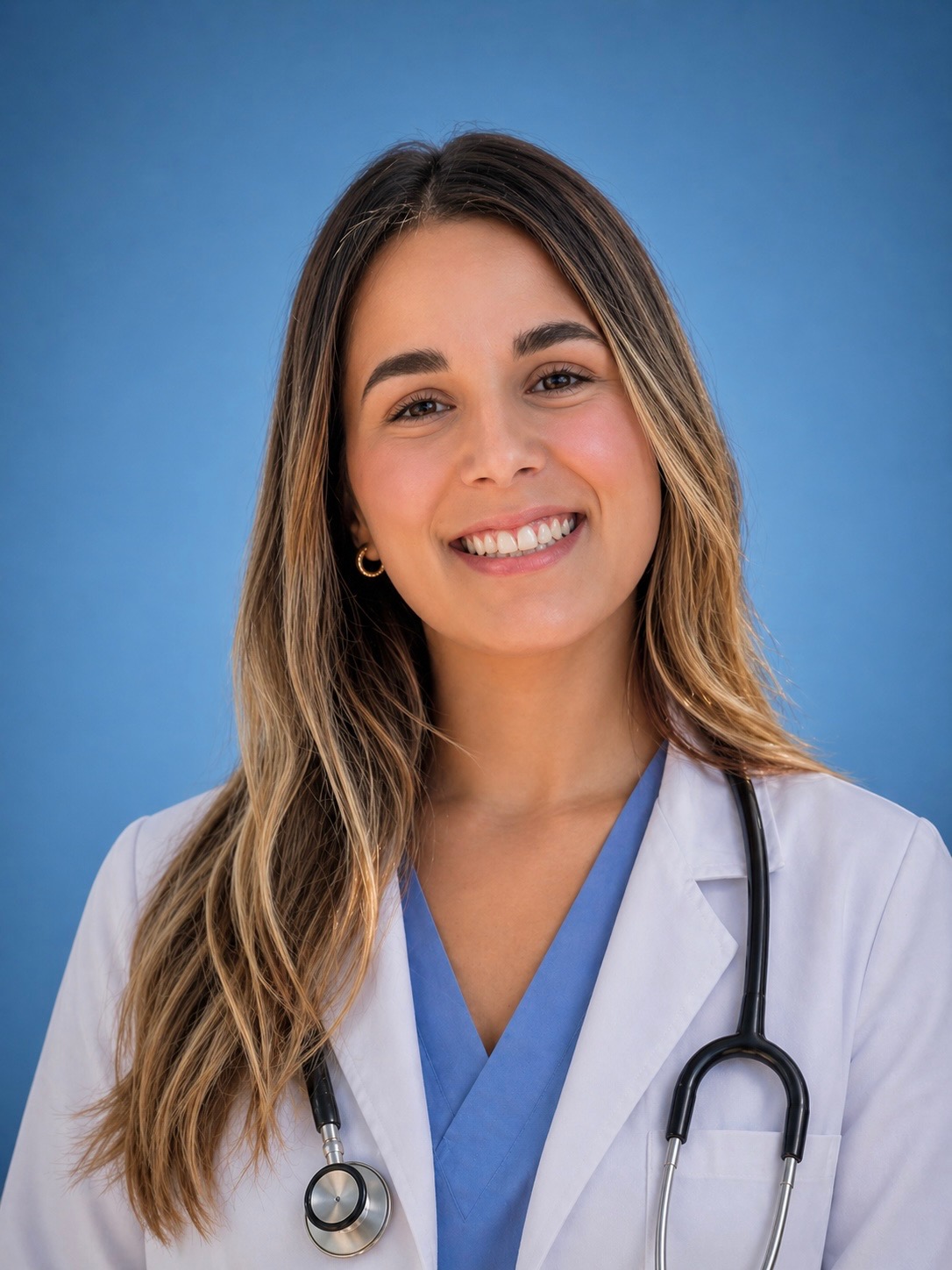
"Family Nurse Practitioner" is a wide door. On the other side is a whole hallway of specialties — family medicine, urgent care, women's health, pediatrics, geriatrics, school health, occupational health, telehealth, addiction medicine, dermatology, weight loss, aesthetics, hospice. The credential is the same. The lives are wildly different.
And nobody really sits new FNPs down and walks them through how to find the work that fits them. So I will.
Your first FNP job is not your last. It is data about who you are. Pay attention.
The First Question
What kind of pace can you sustain?
Some clinics see 20 to 25 patients a day. Some see 12. Some see 35. Some are 4 days a week with 10-hour shifts. Some are 5 days a week with shorter days. Some have weekend call. Some have none.
Know your nervous system. The provider who needs 15-minute slots will burn out in a clinic with 7-minute slots. The provider who likes fast turnover will be bored in a slow specialty.
The Second Question
What population energizes you?
You can practice family medicine and see all ages, or you can choose. Some FNPs cannot wait to see the next pediatric patient. Some find pediatrics draining. Some love the slow build of a geriatric panel. Some find it heartbreaking.
Notice which patients you walk out of the room feeling better about. That is data.
Specialties That FNPs Commonly Move Into
Family medicine / primary care
Broad and rewarding. Continuity. All ages. Strong skills built in differential diagnosis. Heavy charting load is the common complaint.
Urgent care
Acute issues, shift work, less continuity, less charting outside work. Good for someone who likes pace and dislikes the relational expectations of primary care.
Women's health
Some FNPs co-manage women's health with OB/Gyn practices. Procedures (IUDs, colposcopy), counseling, preventive care. Often more relational.
Hospitalist or post-acute
Inpatient or skilled nursing facility work. Faster decision-making. Less continuity. Often higher pay.
Telehealth
Flexible schedule, often remote. Asynchronous or synchronous. Less hands-on. Some find it isolating.
School health
K-12 settings. Predictable schedule with summers off. Strong primary care prevention focus. Often lower pay than private clinic.
Aesthetics / weight loss / hormone clinics
Cash-pay specialties. Procedures, injections, weight management. Higher income potential. Different relationship to "patient care."
Hospice and palliative
End-of-life and serious illness care. Emotionally heavy. Profoundly rewarding for some. Not for everyone.
Addiction medicine
Suboxone clinics, MAT (medication-assisted treatment). Growing field, high need. Specific certifications required.
Dermatology
Procedural and aesthetic. Strong pattern recognition skills required. Often via on-the-job training with derm group.
How to Try Before You Commit
- Shadow if possible. Even a half day with an FNP in a specialty changes how you understand the work.
- Pick rotations strategically in your final clinical year — try the specialty you are most curious about.
- Take per-diem or PRN positions early to sample.
- Talk to FNPs already in the specialty. What they love, what they regret.
Pearl: The pay differential between specialties matters less than the burnout differential. Choose the work you can sustain for 20 years, not the one with the highest sign-on bonus.
What to Notice About Yourself
Energy
Which kind of day leaves you energized versus depleted? Some FNPs feel alive after a high-volume urgent care shift. Some feel destroyed. Same shift, different nervous systems. Listen to yours.
Relationship style
Do you want to know your patients over years, or do you want clean encounters and goodbye? Both are valid. Both have specialties that fit.
Procedural appetite
Do you like procedures (joint injections, skin biopsies, IUDs, suturing)? Or do you prefer cognitive work? Specialties divide here.
Tolerance for emotional weight
Some specialties carry constant emotional load (palliative, oncology, addiction). Some are lighter (aesthetics, school health). Know what you can hold.
Income needs
Be honest about money. If you have loans or family obligations, the specialty matters financially. Aesthetics and weight loss tend to pay more. School health and FQHCs tend to pay less.
What If You're Wrong?
You will probably switch specialties at some point. Most FNPs do. Three years in one. Five in another. A pivot at year 10. That is normal.
The first job teaches you what you don't want. The second job teaches you what you do. The third job is often the home.
Signs You're in the Wrong Specialty
- You dread Mondays for more than two months in a row.
- You don't grow professionally — you've stopped learning.
- You feel emotionally numb at work.
- Your physical health is suffering in ways that match the job's demands.
- You fantasize daily about leaving healthcare entirely.
If three of those are true for six months, it is time to look.
Signs You're in the Right Specialty
- You still feel curious about the cases you see.
- You feel competent at the end of most weeks.
- You have peer relationships you value.
- You can imagine doing this work in five years.
- You go home tired but not destroyed.
To the FNP Reading This
The credential opens doors. Your job is to walk through them and see which room you want to live in. Take your time. Try things. Notice what your nervous system says.
The right work for you exists. Sometimes you have to do the wrong work for a while to recognize the right work when you find it. Both are part of becoming the FNP you're meant to be.